Is your rental
property compliant?
Get our free compliance checklist so you can rent your home legally – and avoid fines.

If you plan to buy or sell a leasehold property in London, it’s worth catching up with the latest news on the Leasehold Reform Bill and the changes it’s bringing to the local – and national – property market. Now the bill has passed, it is also worth considering what impact it will have as it makes its way into law.
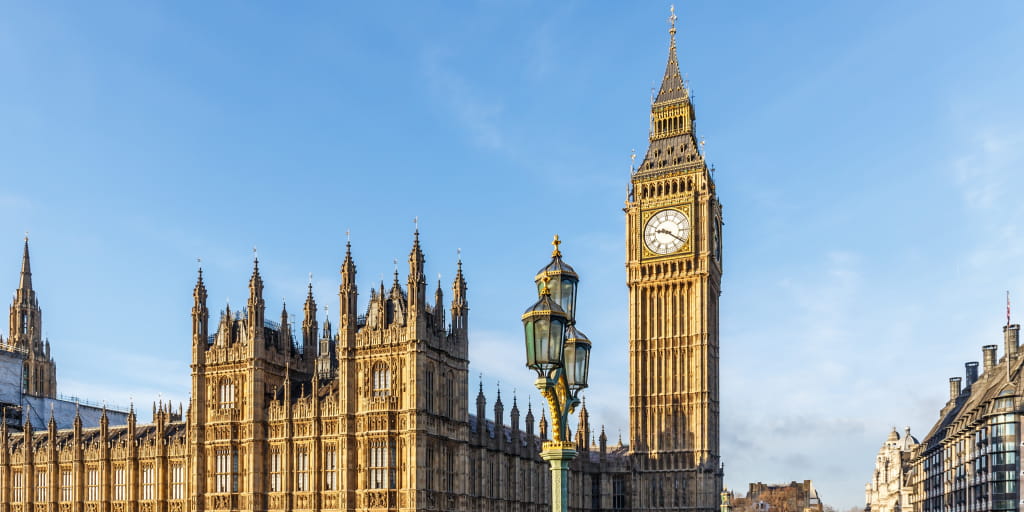
This bill aims to make the freehold and leasehold system fairer by rethinking areas such as standard extension periods and the fees leaseholders must cover. Central London’s Paddington, Soho and Victoria are excellent places to find a flat, from ideally situated studios to spacious apartments. As a result, a high percentage of local homeowners are leaseholders, and the change in leasehold law could matter to you as a buyer or seller.
Read our introductory guide to the Leasehold Reform Bill before you make your next move.
The Leasehold and Freehold Reform Bill makes the leasehold and freehold system fairer with updates to:
As with any new property legislation, this may well have an impact on the property market. Measures such as greater answerability on service charges, and greater ease of extending or purchasing a freehold offer reassurance to leaseholders.
Some estimates suggest that short lease homes could see house prices rise by around 10% under new leasehold legislation. However, the exact impact for homebuyers or sellers is dependent on unknown details. Longer lease extensions could offer reassurance that the clock won’t start ticking again for some time. Yet recent research predicts that above 150 years, additional centuries don’t add significant value to a property, though the cost of obtaining that extension will depend on the method used to calculate its price.
The market can move unexpectedly at times, so it’s recommended that you seek professional advice on your own house sale or purchase.
On 7th November 2023 King’s Speech, the Leasehold Reform Bill was announced as a means of giving leaseholders greater control over and protection from expensive charges. The draft bill entered the House of Commons on 27th November 2023, and the House of Lords committee stage concluded in May 2024. The bill’s third reading was set for 5th June 2024. However, with the announcement of the general election on 4th July 2024, the bill was passed on the 24th May 2024 in order to conclude it’s move through parliament before it adjourns.
The Leasehold and Freehold Reform Bill’s Impact Assessment predicts that any changes to leasehold law would be implemented between 2025 and 2028. Now that it has passed we will have to wait and see how it unfolds in the context of the upcoming election, and potentially a new government.
Several changes were made to the bill before it passed into law, here are two of the most significant ones to mention:
As Housing Minister, Michael Gove initially pursued a 0% ‘peppercorn rate’ for ground rent. However, the caps on ground rents have not made it into law with the Leasehold Reform Bill – which is a major change to the original bill. This is likely to be challenged if a Labour government takes control after the election.
Banning the sale of new leaseholds on houses in England and Wales was not included in the draft, but the government has added it as an amendment and this has been passed with the bill (though leasehold flats can still be bought and sold).
The latest news on leaseholds is still evolving, and our team will be happy to talk to you about the current situation and how it relates to your impending move. If you want to discuss the leasehold reform landscape as you prepare to buy or sell a leasehold property in London, contact us.
Get our free compliance checklist so you can rent your home legally – and avoid fines.
Want to discuss something more specific? Contact us, and we will be more than happy to help you.
"*" indicates required fields


